
Most Highly Favored Lady
Unsolicited Commentary on Mother Fucking Mary

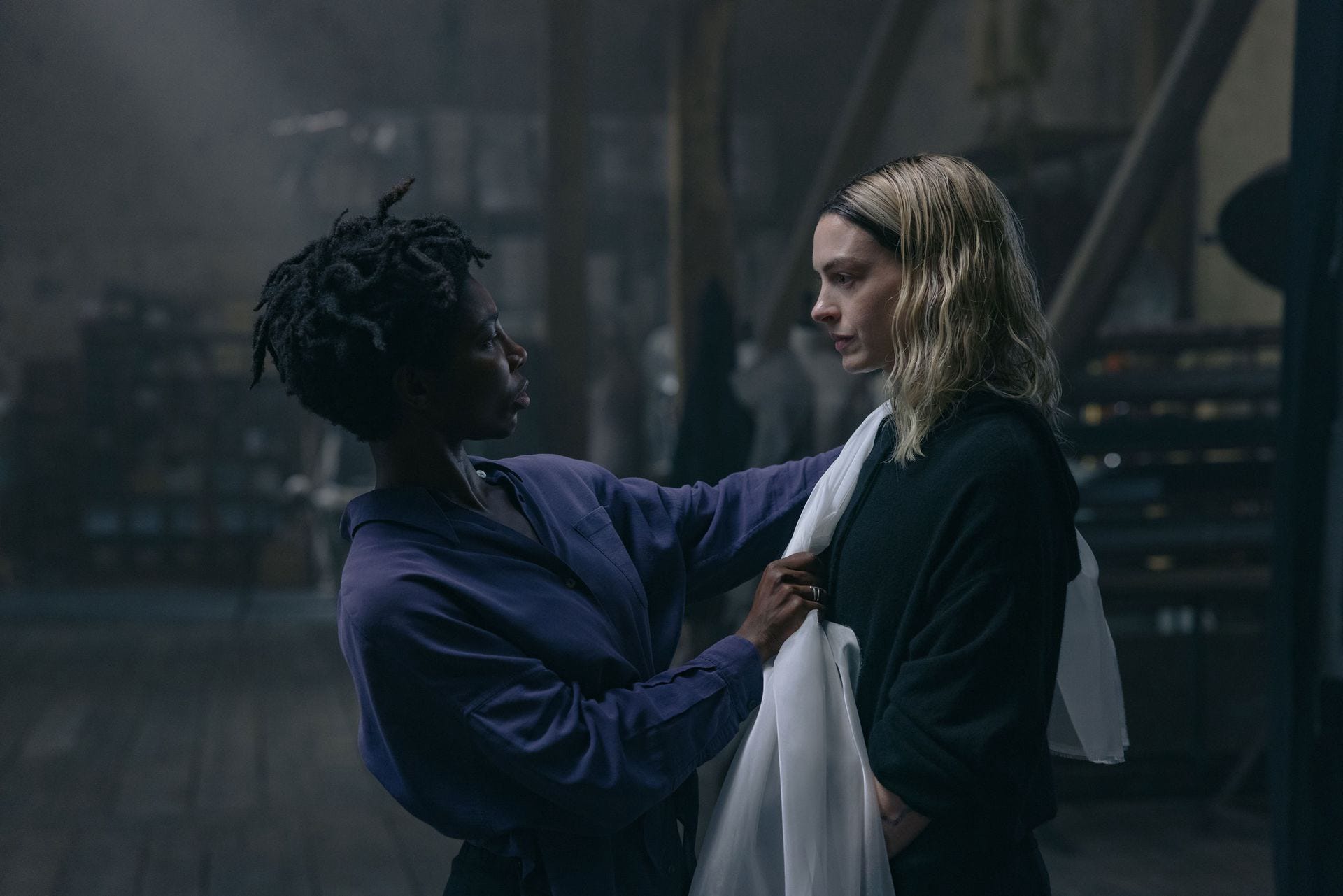
When I came into this colorless world, I came into it against my will.
And, like many of you, I was tasked with coloring it lavender.
But, unlike most of you, I wasn’t lent a divine intercessor———nary a patron in the guise of a saint.
No, no.
There wasn’t a tiny diva resting on my shoulder to dictate my taste in music or provide the instruction of a sound moral compass.
I had VeggieTales and a bipolar matriarch.
Please tell me you fared better.
Did Britney Spears accompany your awakening? Maybe Lady Gaga eased you into your becoming? Or was Beyoncé there, with Cher, to make you sensual, unapologetic, and unyielding?
Must be nice.
Anyway, last weekend, I took a trip to the movie house and spent the evening there.
Thank God for spirited whims.
With utmost gratitude, I must report: I have a diva at last.
And her name is Mother Fucking Mary.
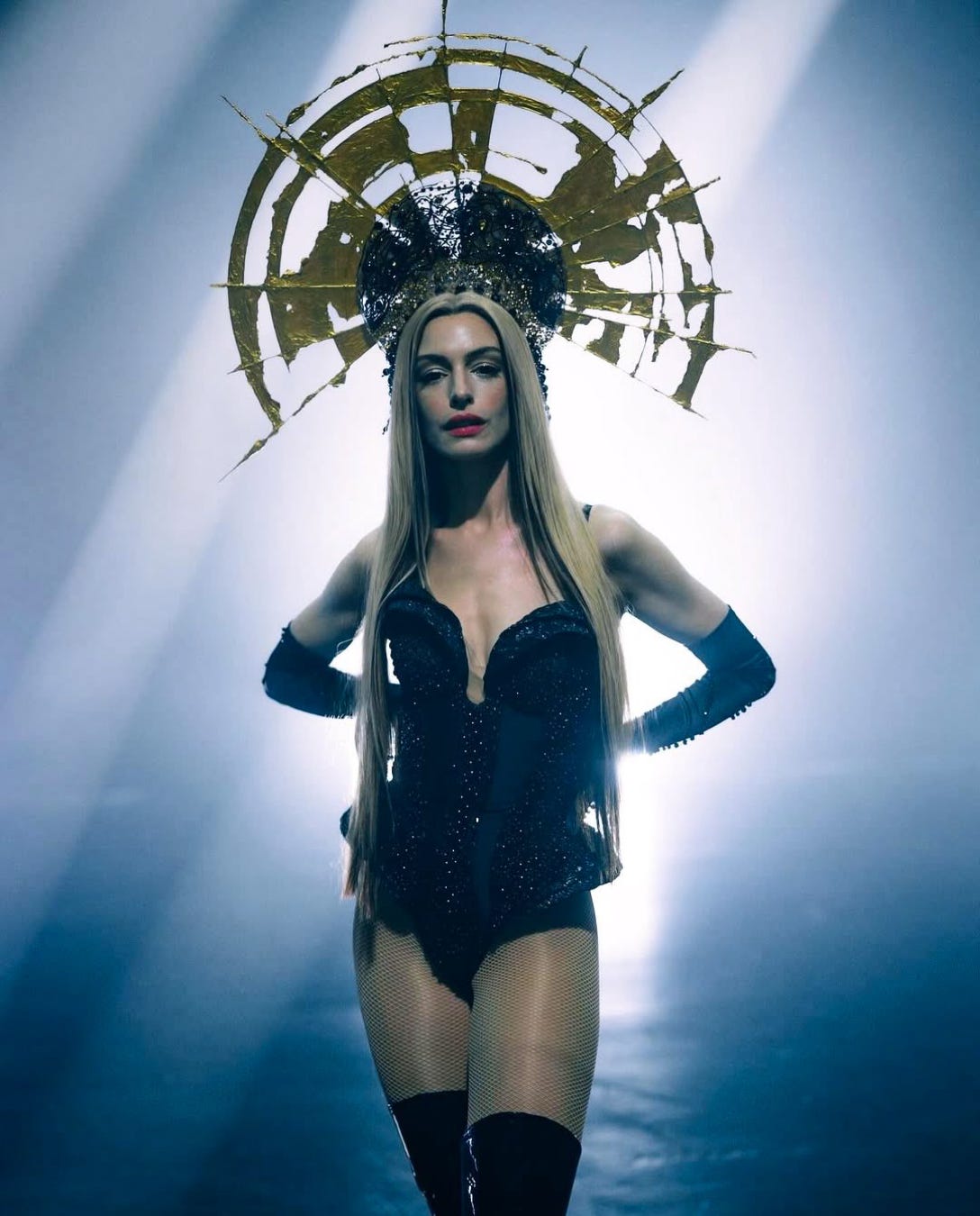
Anne Hathaway plays a pop star with an ethereal 19th-century air.
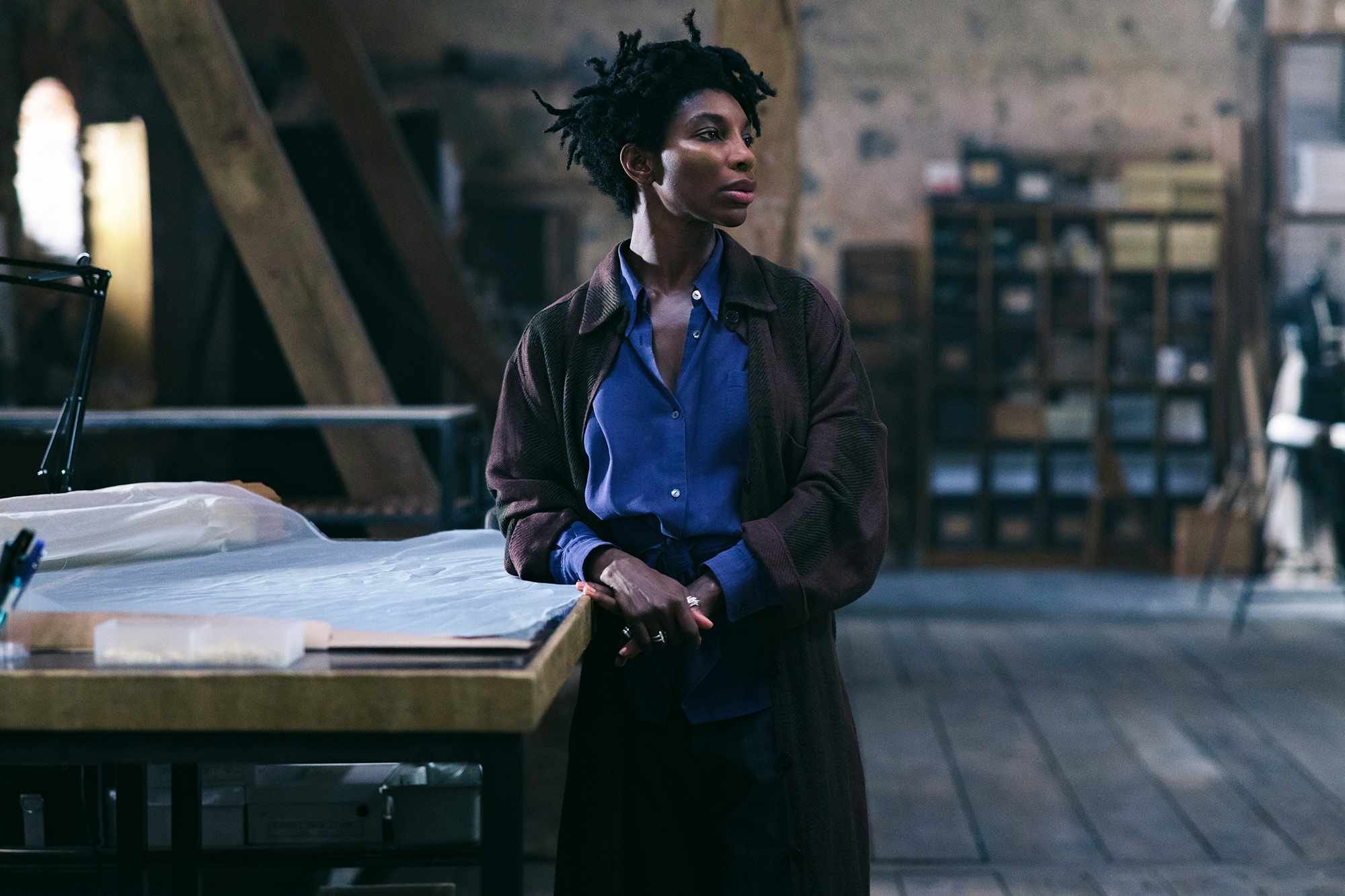
Michaela Coel plays a fashion designer who refuses to fall for the "illness-makes-white-women-transcendent" narrative.
Between them lies capital-H History.
Collapsing onto itself, billowing behind corners, spreading into and contextualizing everything, they come together and they come apart.
Emphasis on come.
(You may find it strange that I haven’t mentioned the characters’ names.
Only Michaela Coel’s is given such humanizing treatment. Sam Ansel is hers.
“Mother Mary,” on the other hand, is the only name Anne Hathaway’s character gets.
Her government name is shared so flippantly and in passing that you know they don’t want it remembered.
But I digress, barely.
Let’s rename everyone for dexterity: Sam is Mother, History is Fucking, and Anne is Mary.
Picking up what I’m putting down?
Mother Fucking Mary.)
Vulgar constructions notwithstanding, they read as lovers in triangulation.
All of them would make the poetess Sappho, her translator Anne Carson, and If Not, Winter: Fragments of Sappho proud.
Raise your hand if you’re familiar with Sapphic yearning. Damn. Why’s your hand still down?
Look below, then watch the film.
Here lie the last lines of Fragment 1 [“Deathless Aphrodite of the spangled mind”], written by Sappho and translated by Carson:
Come to me now:
loose me from hard care and
all my heart longs to accomplish, accomplish.
You be my ally.
See? I told you: emphasis on come.
Now raise your hand.
While watching Mother (Sam) wrestle Mary (Hathaway), I found myself intrigued by their black-white dichotomy (History).
Everything you are, I made with my bare fucking hands, History seems to say. And until you acknowledge and atone for such truths, you cannot be free of me, and I of you.
Sapphic tugs of war.
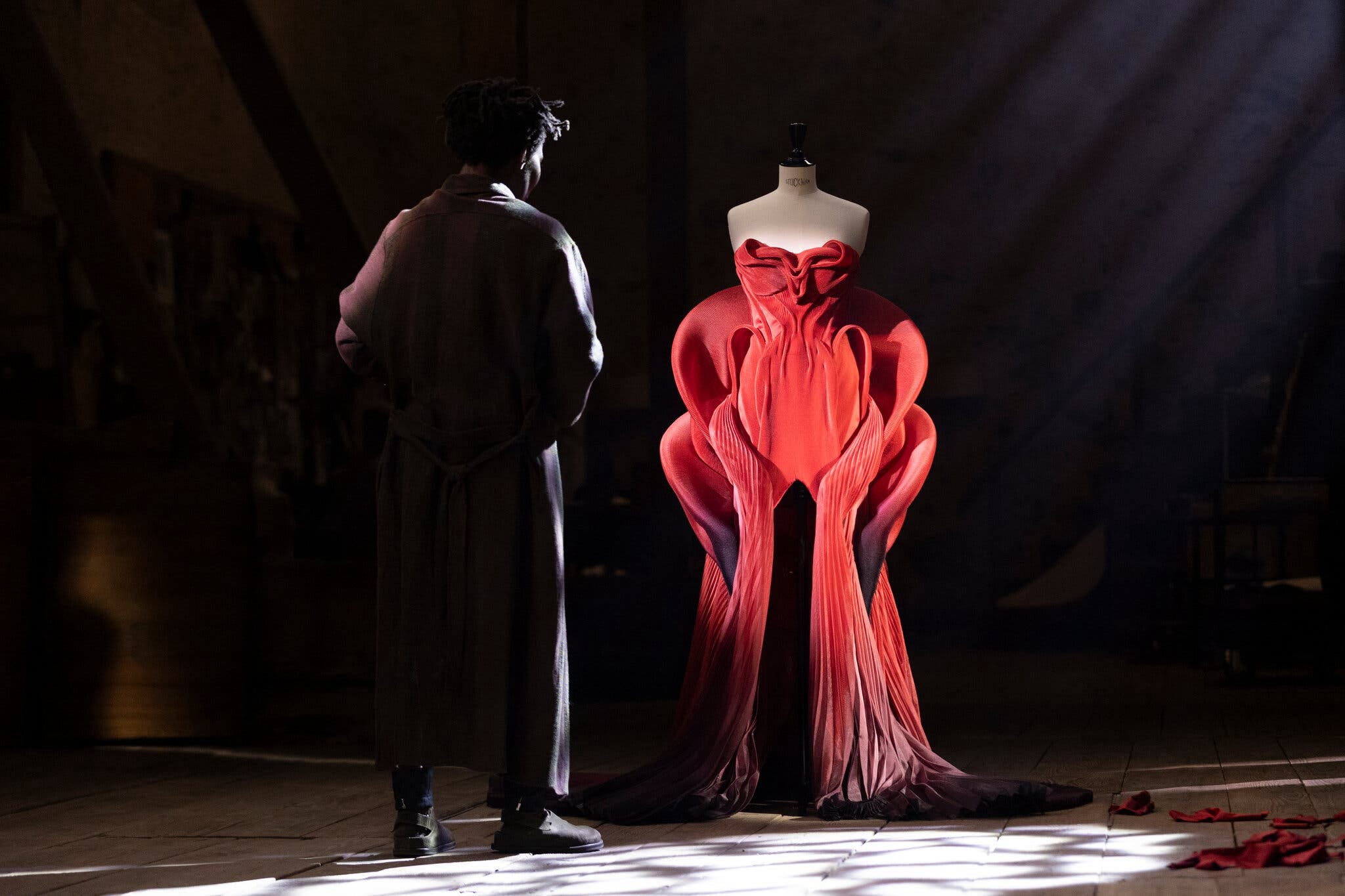
Red here becomes the threadbare color of atonement, a color Mary avoids masterfully.
But in a Black woman’s hands, color is everything but avoidable.
Chocolate mothers must repurpose it, then spin it into something else entirely. That’s how they learn to adorn themselves and their inheritance in hard-earned survival.
(For what it’s worth, my bipolar grandmother———a diva in her own right———says regularly:
“When I realize how tired I am, I remember that a Black woman’s work is never done.”)
SIronically, the Black Madonna (or La Moreneta) resides as the patron saint of my beloved Barcelona.
And, for what it’s worth, her inscriptions are ever on my lips:
“You are safe in my hands.”
“I am black but beautiful.”
“I choose to be here.”
Clearly, a mother’s work is multitudinous.
Sam’s work———the craft of survival———involves Mary, but isn’t for her.
Mother’s very hands become her closest allies, rendering haute couture and wonder.
Is it perfect?
No.
But neither are your divas.
Anyway, my fourth-favorite part of the experience is the men———or rather, the lack thereof. They simply aren’t there. Watching the film, I didn’t once ask where they were or why they weren’t speaking. Dangerous questions with dangerous answers. At any rate, I was content: not once, not twice, but thrice.
Go worship, please. It’s Sunday